

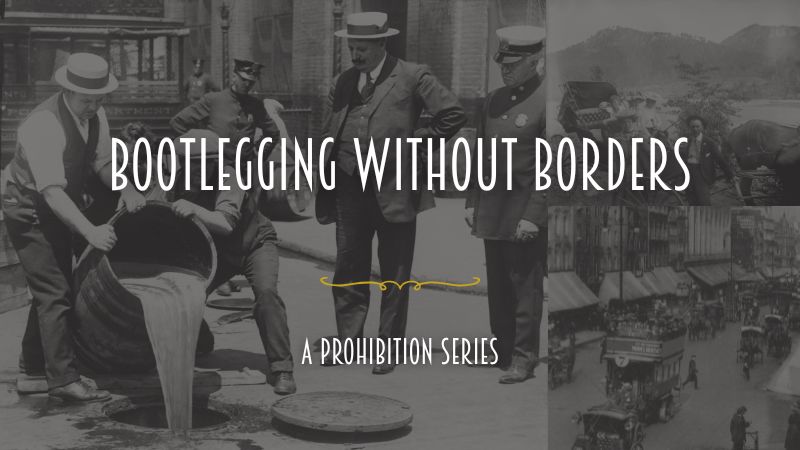
While Idaho Falls’ bootlegging reputation is often tied to local moonshiners and river runners, its success hinged on a much wider and more intricate supply chain. The city’s position near Montana and Wyoming made it a strategic node in a cross-border liquor network that thrived despite state and federal crackdowns. When Idaho enacted Prohibition in 1916—years before the national law—bootleggers had to think fast. Much of the liquor that fueled Idaho Falls’ speakeasies and blind pigs came from out of state, with Montana being a major supplier thanks to its own deeply rooted moonshining culture. Bootleggers forged relationships with distillers and smugglers across state lines, often trading not just in whiskey and gin but in equipment, false documentation, and even manpower. Smuggling routes were clever and constantly evolving. Trucks with hidden compartments made regular trips through remote mountain passes and sparsely patrolled highways, while train cars were sometimes outfitted with secret storage beneath loads of legal goods. The Snake River itself became a critical artery, especially for liquor coming from Canada via Montana, making its way south in carefully planned stages. These networks weren’t just about moving product—they were about staying one step ahead of law enforcement. Spotters and messengers used coded signals to report on patrol movements, and trusted insiders along the route ensured shipments were handed off seamlessly across state borders. Some bootleggers even maintained safe houses and relay stations along the way, offering food, rest, and fresh drivers to keep operations running around the clock. The scale and sophistication of this supply chain underscored just how deeply interconnected Idaho Falls’ bootlegging economy was with its neighbors. It also highlighted the futility of localized enforcement when demand and supply spanned hundreds of miles. Today, while the routes have faded into history, their impact remains—a testament to the ingenuity and audacity of those who kept the liquor flowing, no matter the obstacles.
Credits:
This story is part of The Underground Files, an ongoing historical storytelling project by The Soiled Dove.
Research and writing by The Soiled Dove Historical Society.
Special thanks to the Idaho Falls Public Library’s Local History Collection and the Museum of Idaho Archives.
Finalized and archived in The Underground Files, 2025.